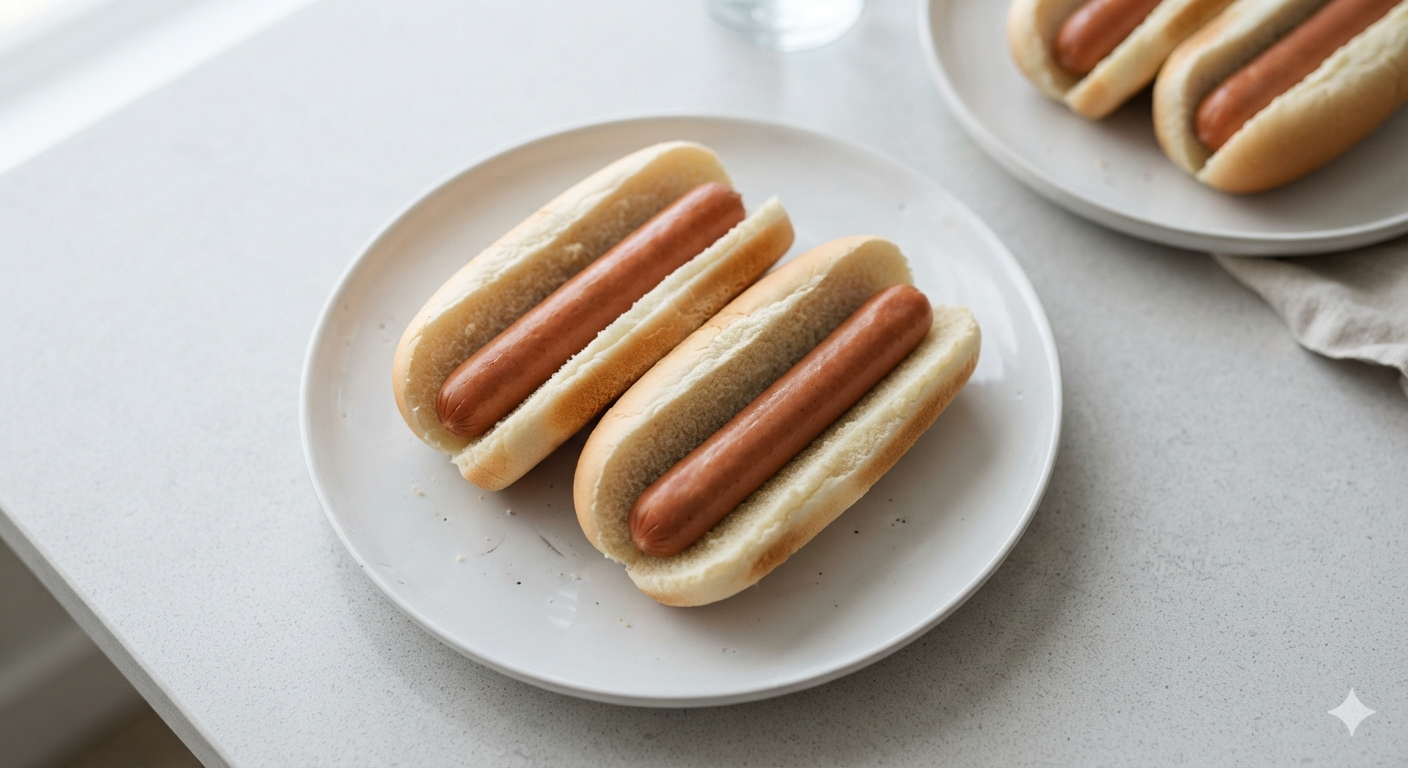
Ask ten people how long to boil hot dogs and you’ll get ten different answers. Some say two minutes flat. Others swear by ten. A few will tell you it doesn’t matter because “they’re already cooked anyway.” That last group is actually onto something important, and it’s the reason most people either undercook or overcook their hot dogs without realizing it.
Boiling is the oldest, simplest, and honestly most forgiving way to prepare a hot dog. No grill grease, no flare-ups, no standing over a pan flipping things every thirty seconds. You put water in a pot, you drop the hot dogs in, and a few minutes later dinner is ready. But “a few minutes” is doing a lot of heavy lifting in that sentence, and getting the timing right is the difference between a plump, juicy hot dog and a split, waterlogged, flavorless tube of disappointment.
Why Boiling Time Even Matters for a Pre-Cooked Product
Here’s the thing most people don’t know: almost every hot dog you buy at a grocery store is already fully cooked at the factory. When you boil one at home, you’re not actually cooking raw meat the way you would with chicken or a steak. You’re reheating it, and you’re doing it in a way that also affects texture.
This is exactly why the question of how long to boil hot dogs is more about quality than safety. Leave a hot dog in boiling water too long and the casing splits, the fat renders out into the water, and what’s left behind is dry and rubbery. Pull it out too early and it’s cold in the middle, with none of that snap-and-juice bite that makes a good hot dog worth eating.
So the goal isn’t “cook until safe.” The goal is “heat until perfect.” Big difference.
The Short Answer
For a standard all-beef or beef-and-pork hot dog straight from the fridge, boil for 5 to 7 minutes in water that’s already at a rolling boil. That’s the number that works for the vast majority of hot dogs sold in supermarkets, whether they’re Nathan’s, Oscar Mayer, Ball Park, or a regional brand from the deli counter.
Frozen hot dogs need longer, usually 8 to 10 minutes, since you’re fighting through ice crystals before the heat can even start working on the meat itself.
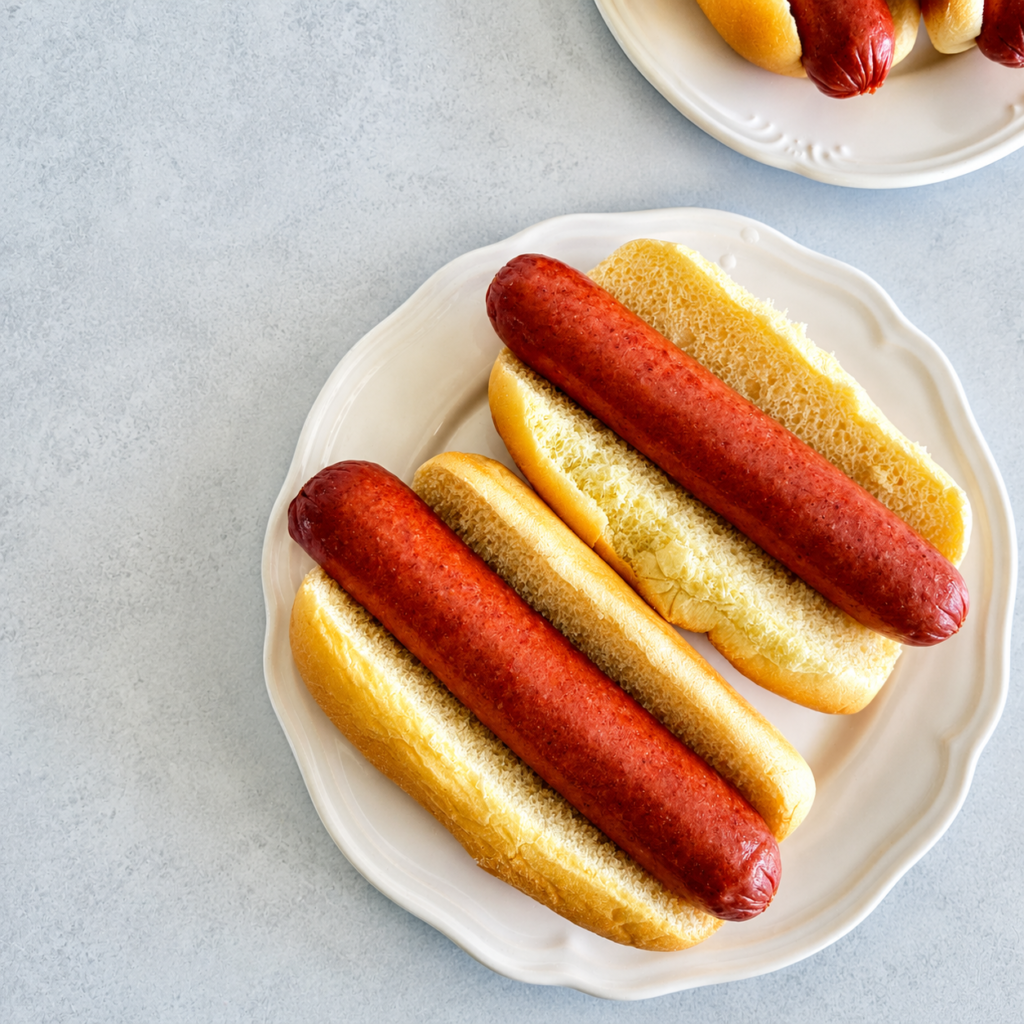
Thinner hot dogs, like the skinny ones sold for kids or the ones without natural casing, can be done in as little as 4 minutes. Thick, all-beef sausages or bratwurst-style dogs with natural casing might need closer to 8 minutes to heat evenly all the way through.
Step-by-Step: How to Boil Hot Dogs the Right Way
1. Start with enough water. Use a pot big enough that the hot dogs can float freely, not get crammed together. Overcrowding means uneven heating, and it also cools the water down faster once you add cold hot dogs to it.
2. Bring the water to a boil first, not the hot dogs. This is where a lot of people go wrong. They toss hot dogs into cold water and then turn the burner on, which means the hot dogs sit in lukewarm water for several minutes before anything actually starts happening. That extra soaking time is what causes splitting and waterlogging. Boil the water first, then add the hot dogs.
3. Drop the heat slightly once the hot dogs go in. A violent, rolling boil will agitate the hot dogs against each other and the sides of the pot, increasing the chance the skins split open. Once you add them, bring the heat down to a gentle boil or strong simmer. You still want steady bubbles, just not a chaotic boil.
4. Time it based on your hot dog type.
- Fresh, standard-size, from the fridge: 5–7 minutes
- Frozen: 8–10 minutes
- Thin/kid-size: 4 minutes
- Thick, natural casing, or bratwurst-style: 7–9 minutes
5. Check for doneness. A properly boiled hot dog will be plump, slightly firm, and hot all the way through. If you’re unsure, cut one in half. It should be steaming and uniformly heated, with no cold center.
6. Remove immediately and don’t let them sit in the hot water. Leaving hot dogs in the pot after the timer goes off, even with the heat off, continues to cook them and pulls more flavor out into the water. Pull them out as soon as they’re done.
Common Mistakes That Ruin Boiled Hot Dogs
Boiling too aggressively. A hard, rolling boil for the entire cook time is the single biggest reason hot dog skins split and the texture turns rubbery. Reduce to a simmer after the initial boil.
Not salting the water. A pinch of salt in the boiling water helps season the hot dogs slightly from the outside, since the casing does allow some flavor exchange. It’s a small touch, but it adds up.
Reusing the same water for multiple batches without refreshing it. After boiling one batch, the water picks up fat and starch. If you’re doing a big batch for a party, it’s worth swapping the water partway through so later batches aren’t sitting in cloudy, greasy liquid.
Ignoring casing type. Natural casing hot dogs (the ones with a noticeable “snap” when you bite in) generally hold up better to boiling and can handle a minute or two longer than skinless varieties, which tend to be more fragile and prone to splitting.
Does Boiling Time Change for Different Meats?
Yes, slightly. All-beef hot dogs tend to be denser and benefit from being on the higher end of the time range, closer to 7 minutes. Turkey or chicken hot dogs are usually leaner and can dry out if left too long, so aim for the shorter end, around 5 minutes. Plant-based hot dogs vary a lot by brand, but most only need 3 to 5 minutes since they’re often designed to heat through quickly.
Boiling vs. Other Cooking Methods
Boiling isn’t the only way to cook a hot dog, and it’s worth knowing where it fits compared to grilling, pan-frying, or microwaving.
Grilling gives you char and smoky flavor but dries the hot dog out faster and requires more attention. Pan-frying gives a nice crisp exterior but can scorch unevenly if you’re not rotating them constantly. Microwaving is the fastest option, usually under a minute, but it often leaves the texture soft and a little spongy, without much depth of flavor.
Boiling sits in the middle. It’s not going to give you char or crispiness, but it produces the most consistently juicy interior of any method, and it’s the most forgiving if you’re cooking a large batch at once, like for a cookout or a kids’ party. If you want the best of both worlds, some people boil first to heat through evenly, then finish briefly on a hot pan or grill for a minute or two just to get color on the outside. This two-step method takes a little more effort but gives you juicy inside with a bit of texture outside.
A Quick Reference Table
| Hot Dog Type | Boiling Time |
|---|---|
| Standard, fresh, from fridge | 5–7 minutes |
| Frozen | 8–10 minutes |
| Thin/kid-size | 4 minutes |
| Thick or natural casing | 7–9 minutes |
| Turkey or chicken | 4–5 minutes |
| Plant-based | 3–5 minutes |
Final Thoughts
The real answer to how long to boil hot dogs isn’t a single fixed number, it’s a range that depends on size, whether they’re frozen, and what they’re made of. Most people can get it right by following one simple rule: bring the water to a full boil first, drop the heat to a simmer once the hot dogs go in, and pull them out at the 5 to 7 minute mark for a standard fresh hot dog. Adjust up or down slightly based on thickness and whether you started from frozen.
It’s a small thing, but getting the timing right turns a boring, split, waterlogged hot dog into something genuinely worth putting in a bun. Next time you’re standing over the stove, skip the guesswork and just watch the clock instead.